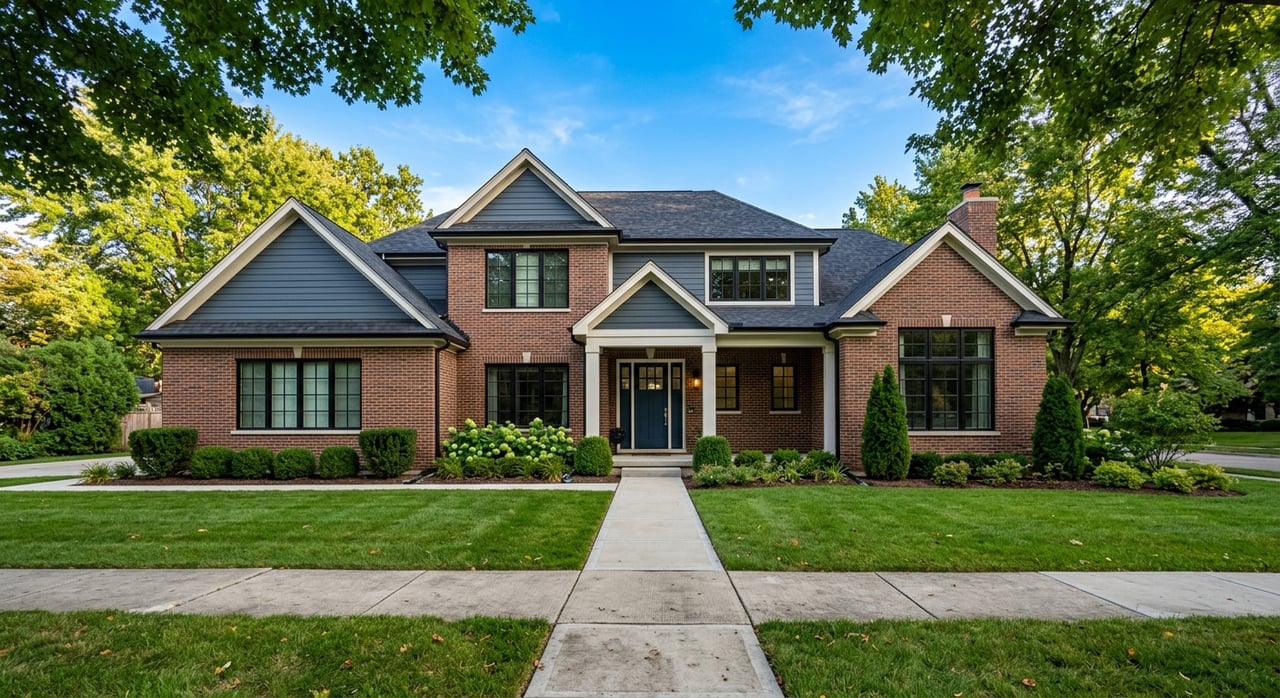
Trying to buy your next home while selling your current one in Naperville can feel like solving a puzzle with moving parts that keep shifting. You want enough time to prepare your sale, enough flexibility to shop with confidence, and a clear plan so you do not end up carrying two homes longer than expected. The good news is that with the right sequence, this move can be managed far more smoothly. Let’s break down how to coordinate it.
Why timing matters in Naperville
Naperville is a large, established suburb with more than 153,000 residents and over 58,000 housing units. The city’s median housing value is $579,200, and recent market snapshots show an active environment, with median sale or list prices roughly in the upper $500,000s to low $600,000s depending on the source and timeframe. That means timing matters because homes can still attract solid interest, even when conditions are not identical from one week to the next.
For many move-up buyers, this is not just a sale and a purchase. It is a chain of decisions tied to equity, financing, closing dates, moving logistics, and local paperwork. In Naperville, those details can also include county and township questions, school calendar timing, and the city’s transfer-stamp process.
Start with one key question
Before you look at homes or prepare to list, ask yourself one thing: Do you need the proceeds from your current home to buy the next one? This answer shapes almost everything that follows.
If you need your sale proceeds, your plan usually has to revolve around listing strategy, contract timing, lender requirements, and closing coordination. If you do not need those proceeds right away, you may have more flexibility to buy first, make a stronger offer, or explore short-term financing.
The three main paths
Sell first, then buy
This is the most common approach when homeowners are trying to reduce financial risk. Selling first can lower the chance of carrying two mortgage payments at the same time, which is often the biggest concern in a sell-and-buy move.
The tradeoff is timing. If your current home closes before your next home is ready, you may need temporary housing, storage, or a short-term plan for your belongings. This path often works best when keeping monthly costs predictable is your top priority.
Buy with a contingency
A contingent offer can help you move forward on a new home while protecting you if your current home has not sold or closed yet. In general, a home-sale contingency gives you time to sell your current home, while a home-close contingency helps if your home is already under contract but has not closed.
This can reduce overlap risk, but it may also make your offer less competitive. Sellers may continue to market their property, and some may use a kick-out clause that allows them to keep the home available if a stronger offer appears.
Buy before you sell
If you have strong financial flexibility, buying before selling can make the move easier in some ways. You can shop without the pressure of being between homes, move on your own schedule, and prepare your current home for sale after you have already relocated.
But this route requires careful financial review. If bridge or swing financing is part of the plan, the lender still has to document your ability to carry the payments tied to the new home, your current home, the bridge loan, and your other obligations.
How bridge financing really fits
Bridge financing can be useful, but it is not a shortcut. It is best viewed as a tool for homeowners with enough financial capacity to support a more complex structure.
If you are considering this option, your lender will need to review your full picture carefully. That is why this conversation should happen early, before you shape your home search around a financing path that may not fit your situation.
When a rent-back can help
Sometimes the cleanest solution is to close your sale and stay in the home a little longer. A rent-back, also called a leaseback or post-closing occupancy agreement, can give you extra time to move after closing.
This can be especially helpful if your purchase closes shortly after your sale or if movers, repairs, or final packing need a few more days. The arrangement should be written clearly, with a specific move-out date, compensation terms, and insurance details. Many lenders will not accept leasebacks longer than 60 days, so the timeline matters.
Naperville steps that can affect your closing
City transfer stamps
In Naperville, the transfer-stamp process is more than a minor formality. Buyers of property within city limits are responsible for purchasing the city transfer tax stamp at a rate of $1.50 per $500 of purchase price.
The city says applications are typically reviewed within three business days, recommends submitting about seven days before the stamp is needed, and requires a statement of open accounts before the stamp application. That open-accounts request must be received at least seven business days before closing. If you wait too long, this step can put pressure on the final calendar.
County and state filing layers
Illinois also has a state transfer-tax system, and county recorders or registrars collect the tax through revenue stamps. The required filing process happens in the county where the property is located, which matters because Naperville spans both DuPage and Will counties.
In practical terms, that means your sale or purchase may involve more than one local office or process depending on where the property sits. When you are coordinating two transactions at once, those details are worth managing early rather than at the last minute.
Township and tax questions
Naperville homeowners also need to know where to direct tax and assessment questions. The city advises homeowners to contact their county for bill-payment questions and their township for assessment questions.
That matters if you are comparing one Naperville property to another or trying to estimate your future carrying costs. It is one more reminder that local knowledge is not just helpful in pricing. It also helps with planning.
Budget for more than the down payment
One of the easiest mistakes in a sell-and-buy move is focusing only on down payment math. Your closing cash needs may include much more than that.
Closing costs typically run about 2% to 5% of the purchase price, excluding the down payment. You may also need funds for title services, escrow deposits, initial insurance or property-tax deposits, and Naperville transfer-stamp fees. If your plan depends on sale proceeds, remember that the money is typically available only once that closing is complete.
A practical Naperville move-up timeline
Step 1: Confirm equity and financing
Start by understanding what your current home may contribute to the next purchase. That includes estimated equity, likely sale proceeds, and what your lender says you can comfortably carry.
This is the foundation of the entire plan. Without it, it is easy to shop too early, list too late, or choose a timeline that creates unnecessary stress.
Step 2: Choose your sequence
Next, decide which path fits your situation best:
- List first, then buy
- Buy with a home-sale or home-close contingency
- Buy first with sufficient cash flexibility or bridge financing
- Sell and use a short rent-back if you need extra move-out time
The right answer depends on your finances, your risk tolerance, and how much schedule flexibility you have.
Step 3: Build the calendar backward
Once you know your strategy, build your timeline from the closing table backward. Include listing prep, home search timing, lender milestones, title work, transfer-stamp deadlines, and moving logistics.
In Naperville, this step is especially important because local transfer-stamp timing and county-specific processes can affect the final stretch. A realistic calendar helps you avoid rushed decisions.
Step 4: Review contract terms closely
Contingency language, occupancy terms, and final closing documents all deserve careful review. The Closing Disclosure must be delivered at least three business days before closing, so the last week before closing should not be treated as loose or informal time.
This is where disciplined transaction management matters most. The smoother moves are usually the ones where everyone is aligned before the contract is fully locked in.
What makes Naperville moves more layered
Naperville is not a one-size-fits-all market. The city spans multiple counties and townships and is served by Community Unit School District 203 and Indian Prairie School District 204.
For some households, move timing may be shaped by attendance boundaries, school-year dates, tax questions, or commute priorities. For others, the biggest issue is simply avoiding duplicate housing costs. Either way, the move tends to go better when you treat it as a coordination project, not just a pricing exercise.
Why early guidance helps
A successful sell-and-buy move is usually less about finding one perfect trick and more about sequencing every piece correctly. Pricing, listing prep, financing conversations, contract terms, city paperwork, and move-out timing all affect each other.
That is why early planning can create real value. When your strategy is built around your proceeds, timing, and local closing steps, you are far less likely to feel rushed into a purchase or stuck paying for overlap longer than expected.
If you are planning a sell-and-buy move in Naperville, working with someone who understands both the market and the process can make the transition much more manageable. To talk through timing, pricing, and your next-step options, reach out to Kathie Frerman.
FAQs
Can I buy a home in Naperville before selling my current one?
- Yes, but your lender must confirm that you can carry the payments for the new home, your current home, any bridge loan, and your other obligations.
Will a contingent offer hurt my chances in Naperville?
- It can make your offer less competitive because a seller may continue marketing the home and may accept a kick-out clause that lets them respond to stronger offers.
What is a rent-back in a Naperville home sale?
- A rent-back is a written agreement that allows you to stay in the home for a set period after closing, with a specific move-out date, compensation terms, and insurance details.
What transfer tax applies to a home purchase in Naperville?
- For property within Naperville city limits, buyers are responsible for the city transfer tax stamp, which costs $1.50 per $500 of the purchase price.
How far in advance should I plan for Naperville transfer stamps?
- The city recommends submitting the transfer-stamp application about seven days before it is needed, and the statement of open accounts must be requested at least seven business days before closing.
How much cash should I reserve for a Naperville sell-and-buy move?
- Plan for closing costs of about 2% to 5% of the purchase price, plus transfer-stamp fees and other upfront deposits such as escrow, insurance, and property-tax-related costs.