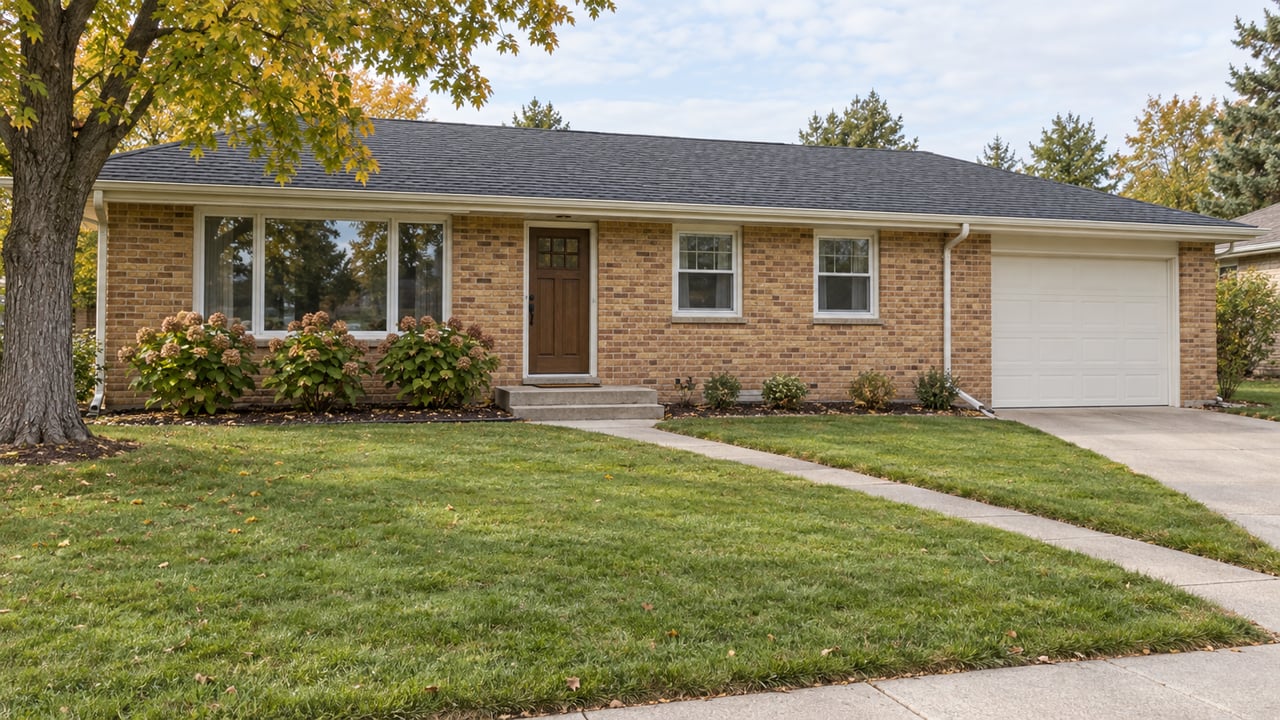
Five days into attorney review, a buyer touring a four-bedroom colonial on a half-acre lot near the edge of Plainfield gets a call from their inspector. The home isn't on village water and sewer. It runs on a private well and a septic system, and the listing never mentioned it. The buyer's first assumption, understandable but wrong, is that because the contract says the home is sold "as-is," there's nothing left to negotiate. That assumption is the single most expensive misread in a Plainfield well-and-septic transaction, and it's worth unpacking before you write an offer, not after.
The Village Outgrew Its Sewer Lines
Plainfield's population went from 4,500 residents in 1990 to 44,762 at the 2020 census. That kind of growth doesn't happen evenly, and utility infrastructure rarely keeps pace with a subdivision boom of that size. Municipal sewer and water lines expanded outward from the village core as new development justified the cost, but pockets just outside that expansion boundary, along with older rural-edge parcels that predate the boom entirely, were never connected. A local septic contractor serving the area put it plainly: unincorporated pockets, larger-lot neighborhoods, and homes sitting just outside the village's sewer expansion boundary are the properties most likely still running on private systems. A large share of Plainfield ties into public sewer today, but the parts that don't aren't randomly scattered. They trace the line where infrastructure spending stopped and development kept going.
That matters for how you shop. Two listings half a mile apart in the same general area can have completely different utility setups depending on which side of that old boundary they sit on. You cannot assume either way based on the subdivision name or the year the house was built.
Two Counties, Two Sets of Records
Plainfield's boundaries add a second layer most buyers never think to check. The village includes land in Will County's Plainfield and Wheatland townships, and it also extends into Kendall County's Na-Au-Say and Oswego townships. That dual-county footprint means the office that holds your well or septic permit history, and the office that would field questions about system age or prior complaints, depends on which side of the county line the parcel falls on. In Will County, the Health Department's Environmental Health Division handles inspections of water wells and wastewater treatment systems and issues the septic permits tied to individual parcels. If you're used to a single, familiar municipal water bill and a single village hall, this is the part of a Plainfield well-and-septic purchase that takes the most getting used to: you may need to call a different county entirely to pull the record on the house you're touring.
What "As-Is" Doesn't Waive
Here's the piece that surprises both buyers and sellers. The Multi-Board Residential Real Estate Contract 8.0, the standard residential contract used across most Chicago-area transactions, includes a specific section addressing well and septic inspections. That section only takes effect if both parties initial it, which means it's easy to skip past during a fast-moving offer if nobody raises it. When it is in play, it can obligate the seller to pay for a licensed well and septic inspection even when the home is otherwise being sold as-is. Many attorneys treat a private water supply or wastewater system as a health and safety matter rather than something an as-is clause automatically waives, because the well is the source of the household's drinking water and the septic system is what keeps sewage out of the yard. A seller who believes as-is protects them from any inspection cost can be caught off guard by this, and a buyer who doesn't know to ask for the section to be initialed can lose a right they didn't realize they had.
If you're writing an offer on a Plainfield home you already know is on private systems, this is the clause to confirm with your agent or attorney before you sign, not something to discover during the inspection period.
What the Inspection Actually Checks
A septic inspection isn't a glance and a signature. A licensed inspector checks the tank for cracks, confirms the baffles at the inlet and outlet are intact, and evaluates whether the drain field is absorbing effluent the way it should. Illinois Extension notes that a seller's disclosure certification alone can create a false sense of security, since what one homeowner considers a "problem" might be normal wear to someone else. A professional inspection removes that guesswork. Buyers should also request the septic permit on file with the county health department, which shows where the system sits on the property, its age, and the tank and lateral field size, information that's difficult to reconstruct after the fact if the paperwork has been lost.
On the well side, an inspector checks flow rate, since a residential well that can't sustain a reasonable number of gallons per minute will leave a household short of water during peak use, and tests for bacteria and nitrates that clear-looking water can still carry. Wells themselves tend to last decades, but the pump and pressure tank inside the system typically need replacement well before the well itself does, which is worth factoring into your offer if the seller can't produce recent maintenance records.
What It Costs, and How Often It Comes Due
In the Plainfield market specifically, a septic tank inspection typically runs $300 to $500, locating the tank if its position isn't documented adds around $25, and pumping costs anywhere from $380 to as much as $3,000 depending on how much sludge has accumulated. Illinois Extension flags that a full septic system replacement can approach $10,000, which is the number that makes lenders and buyers alike want an inspection report before closing rather than after. Under normal use, a Plainfield septic tank should be pumped every two to three years, and annually if the home runs a garbage disposal, since food waste accelerates how quickly solids build up.
The clay-heavy soils common across Will County add a wrinkle inspectors and buyers should both keep in mind: they can stress a drain field more than sandier soil would, and seasonal groundwater shifts affect how well a system performs at different times of year. A system that passes inspection in September isn't guaranteed to behave identically after a wet spring, which is one more reason maintenance records matter as much as the inspection snapshot itself.
Ask Before You Write the Offer
A short list worth working through with your agent before you're deep into attorney review:
- Confirm in writing whether the specific address is on municipal utilities or private well and septic. Don't assume based on the subdivision or the neighboring homes.
- Ask which county's health department holds the permit history for that parcel, Will or Kendall, and request the septic permit showing system age, tank size, and lateral field rating.
- Confirm the well/septic inspection section of the contract is initialed before you sign, rather than trying to add it later.
- Ask for the seller's maintenance and pumping records. No records isn't automatically disqualifying, but it does mean budgeting for a pumping and inspection together to establish a baseline.
- If repairs are needed and significant work is required, confirm any permits are pulled before the work happens.
A Few Questions Worth Asking Before You Tour
Does a well and septic system affect my ability to get a mortgage? Often yes, in a helpful way. Many lenders require a well and septic inspection as a condition of the loan on a property using private systems, which means the inspection you'd want anyway is frequently already built into your financing timeline.
If the seller says the system has never given them trouble, is that enough? It's useful context, but Illinois Extension's guidance is direct on this point: a seller's certification of no known problems isn't the same as a professional inspection, since what counts as a "problem" varies from one owner to the next. Treat it as one data point, not the deciding one.
Can I find out before I even schedule a showing? Ask your buyer's agent to check with the listing agent directly. It's a straightforward yes-or-no question, and getting the answer before you tour saves you from falling for a house you'd have to walk away from over a system you didn't know existed.
A well and septic system in Plainfield isn't a reason to skip a listing, and it isn't a defect to fear. It's a different set of questions to ask at a different point in the process, and knowing which questions to ask before you're under contract is what keeps a good house from turning into a stressful closing. If you're looking at listings in Plainfield's rural-edge subdivisions and want a second set of eyes on the contract language or the inspection report before you commit, Kathie Frerman can walk through it with you ahead of your offer, not after.
This article is general information, not legal, tax or financial advice. Consult a qualified professional about your situation.