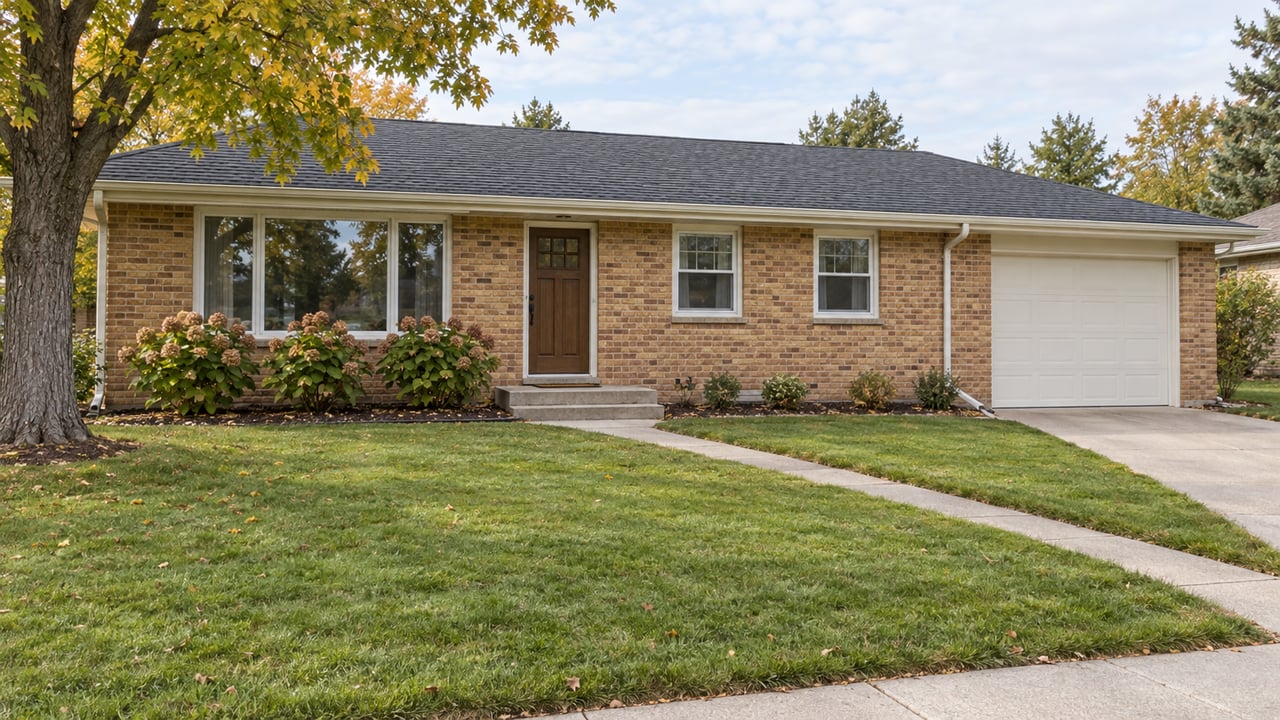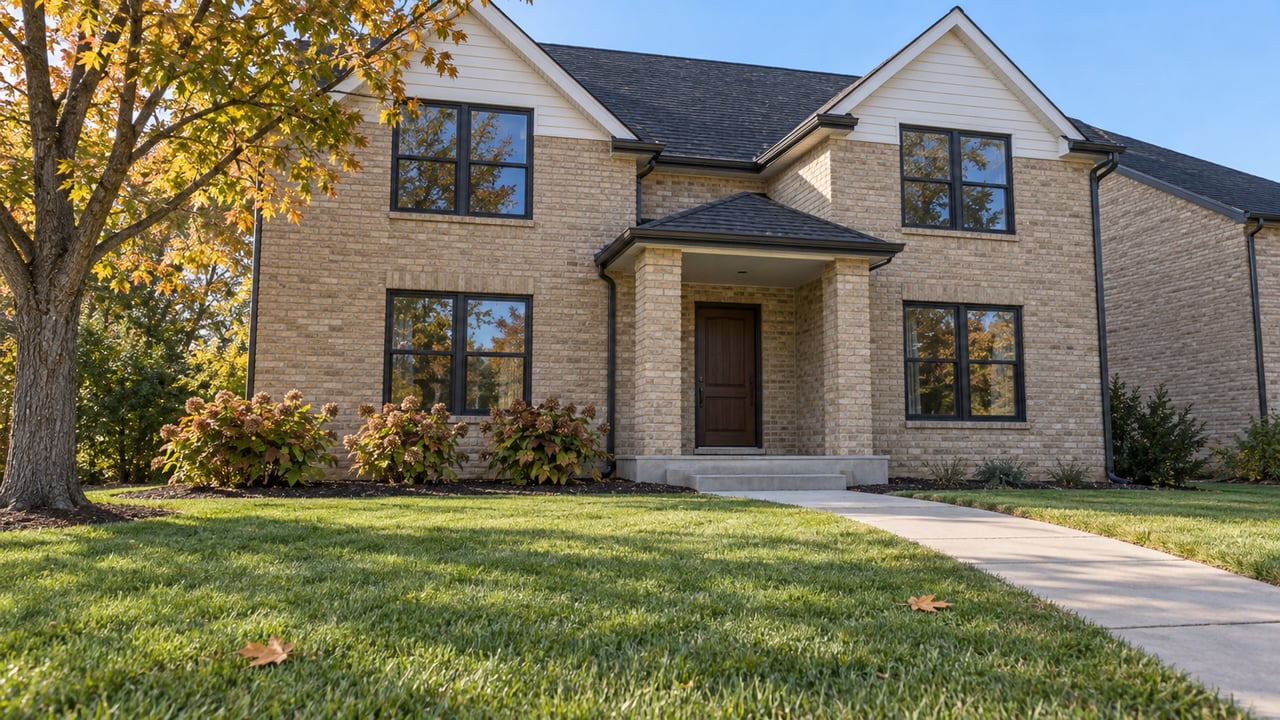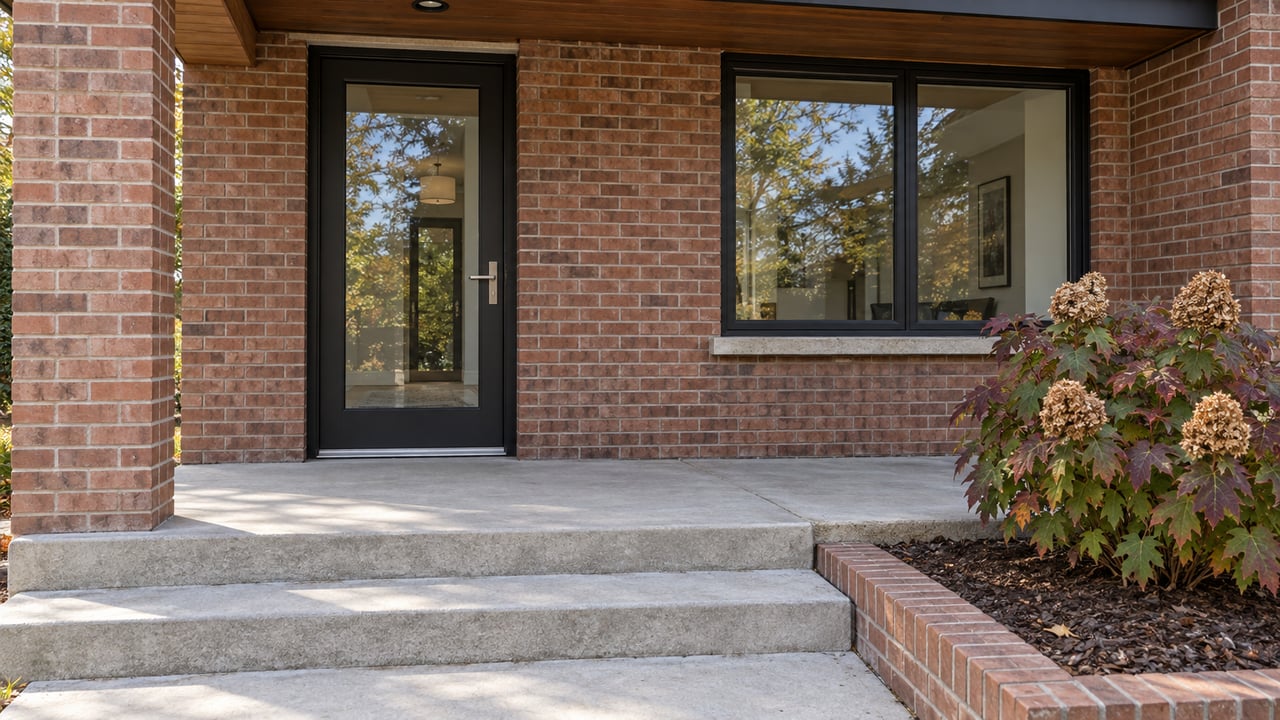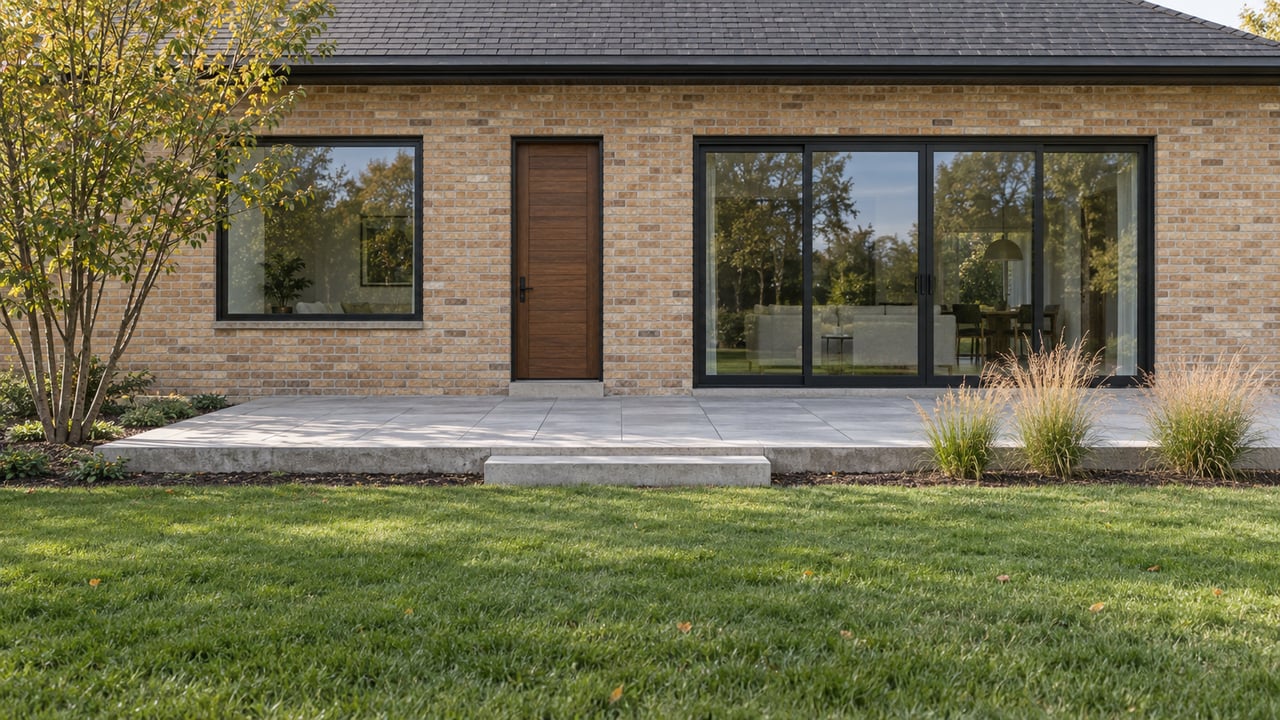
Buying your first home in Batavia or Elgin can be exciting and a little overwhelming. The home inspection adds a lot of detail fast, especially with older homes, finished basements, and the Fox River floodplain in play. You want clarity on what matters, what is normal for Kane County, and how to use the report to protect your budget. This guide gives you a practical local checklist, a realistic timeline, and smart next steps so you can move forward with confidence. Let’s dive in.
What inspectors check in Batavia/Elgin
Standard inspections follow nationally recognized guidelines and cover visible, accessible components. They are not code compliance audits or invasive testing. For scope and limits, see the ASHI Standards of Practice or the InterNACHI Standards of Practice.
Exterior, site, and structure
Inspectors look for foundation cracks, settlement, and evidence of past repairs. They check grading and gutters to confirm water moves away from the house. Siding, masonry, porches, decks, and walkways are reviewed for deterioration and safety issues. Near the Fox River, you should also look for signs of long‑term moisture, like efflorescence and staining.
Roof and attic
Expect an assessment of shingle age and condition, flashing, valleys, and chimney integrity. In the attic, your inspector will evaluate insulation, ventilation, roof deck condition, and any evidence of active or prior leaks. Older homes in this area may have aging roof coverings or chimney deterioration that need attention.
Structural framing
Where framing is visible, inspectors note sagging, damaged rafters or beams, and moisture‑related concerns. If major structural movement is suspected, a structural engineer follow‑up is usually recommended.
Plumbing systems and sump pumps
Inspectors identify pipe materials, visible leaks, water pressure, and drainage performance. Water heaters are checked for age, venting, and safety. Since basements are common here, sump pump systems are a focus. Your inspector will look for a working primary pump, a backup solution, and signs of past water entry. Properties outside city limits sometimes use septic systems; those require a separate septic inspection and county health records.
Electrical systems
You can expect a review of the service panel, breakers, and labeling, plus checks for GFCI/AFCI protection and receptacle grounding. In older homes, inspectors watch for aluminum wiring or knob‑and‑tube. Undersized service panels are not unusual in historic or mid‑century properties.
HVAC and ventilation
Furnaces or boilers are checked for age, condition, and venting. Air conditioning is tested seasonally; in cold months it may not be run. Ventilation in kitchens, baths, and the attic is reviewed to reduce moisture and improve air quality.
Interior and basements
Walls, ceilings, and floors are checked for cracks, stains, and movement. Windows and doors are tested for operation and seals. Finished basements get extra attention here due to regional moisture risk. Inspectors look for efflorescence, mold‑like staining, raised slabs, and interior drain systems.
Fireplaces and chimneys
The visible hearth, firebox, and chimney are reviewed. If you plan to use the fireplace regularly, a chimney sweep or higher‑level chimney inspection is a smart follow‑up.
Safety and environmental items
Inspectors confirm smoke and carbon monoxide alarms where visible and note stair and railing safety. Homes built before 1978 carry potential lead‑based paint risks. Federal rules require disclosures, and renovations must follow EPA RRP guidelines. Learn more at the EPA lead program. Radon testing is commonly recommended in Illinois due to elevated regional potential; see EPA radon guidance.
Add‑on tests worth it locally
Some issues sit outside a standard inspection. In the Batavia/Elgin market, these add‑ons are common and often worth the cost.
- Radon testing. Illinois has many areas with elevated radon. Short‑term tests can run during your inspection.
- Sewer scope. Older neighborhoods may have clay laterals with root intrusion. A camera scope can catch cracks, offsets, or collapse.
- Termite/wood‑destroying organisms. If there is visible wood rot or pest evidence, a WDO inspection helps confirm treatment needs.
- Septic inspection. Required for non‑sewered properties in outlying areas. County health records help verify system history.
- Chimney sweep/level inspection. Important if you will use the fireplace.
- Mold or air quality testing. Consider when there is visible staining or strong odor.
Cost and timing basics:
- A typical single‑family home inspection in this region often ranges from the mid‑three‑hundreds to the low‑six‑hundreds, depending on size and age. Add‑ons usually run about $100 to $500 each. Prices vary by provider.
- Most inspectors deliver reports within 24 to 72 hours. Short‑term radon tests usually take about 2 to 7 days plus analysis.
Timeline and local norms in Kane County
You will usually have a short contingency window after offer acceptance. Act fast so you have time for testing and any follow‑up.
- Offer accepted. Your inspection contingency starts, commonly 7 to 10 days in this area. Some contracts use business days, others use calendar days.
- Schedule immediately. Inspectors book up quickly in spring and summer.
- Attend the inspection. Plan on 2 to 4 hours for a typical single‑family home. Larger or older homes can take longer.
- Review the report. Expect delivery within 24 to 72 hours.
- Decide on next steps. You can request repairs, ask for credits or a price reduction, accept as‑is, or terminate if your contingency allows.
- If repairs are negotiated. Clarify scope, contractor licensing, and how completion will be verified, such as re‑inspection or receipts.
How to prepare for a smooth inspection
Buyer day‑of checklist
- Confirm all utilities are on so the furnace, AC, water heater, and plumbing can be tested.
- Ensure access to the garage, attic, crawlspace, basement, and exterior.
- Bring seller disclosures, any known permit records, and a notepad. Take photos if helpful.
- Decide on add‑on tests up front, especially radon and a sewer scope for older homes.
Seller cooperation helps
- Clear access to mechanicals, the electrical panel, the attic hatch, and crawlspaces.
- Keep utilities on.
- Provide available permits and service records for recent work like HVAC or roofing.
- Secure pets.
Interpreting the report and negotiating repairs
Use a simple priority order so you focus on the items that matter most.
- Safety first. Exposed live wiring, gas leaks, or serious structural hazards require immediate attention.
- Major systems. Non‑functioning furnaces, failing foundations, or sewer line failures are high‑impact findings.
- Water intrusion. Recurrent basement moisture and mold‑like staining warrant remediation and sometimes specialist testing.
- Permits and compliance. Unpermitted additions or remodels can affect value and financing. Ask for permit evidence or correction.
- Maintenance and cosmetic. These are normal in most homes and usually lower priority.
Negotiation tips:
- Base requests on the inspection report, and add written estimates for big items.
- Decide whether you want seller‑completed repairs by licensed contractors with receipts, or a monetary credit so you manage the work after closing.
- For high‑cost or unclear issues, get specialist inspections before finalizing requests.
- If you cannot reach agreement on major issues, your contingency may allow you to renegotiate or cancel.
Floodplain and permit checks for Batavia/Elgin
- Flood status. The Fox River shapes local flood risk. Look up a property’s status at the FEMA Flood Map Service Center and discuss potential flood insurance costs with your insurer.
- Permit history. When the inspection reveals major remodels or additions, verify permits with the City of Batavia Building Department, the City of Elgin Building Services team, or Kane County Permits and Development. For septic systems, the Kane County Health Department may have records. Ask sellers for copies of permits and service records early.
Seasonal notes that affect inspections
- Winter limits. Frozen ground can hide drainage issues, and snow can cover roofing or grading. Air conditioning is not typically tested in cold weather.
- Summer rush. Inspectors book quickly in spring and summer, so schedule as soon as your offer is accepted.
Your next step
A thorough inspection is not about making a perfect house. It is about understanding the home you are buying and negotiating fairly. If you want a steady hand through scheduling, add‑on decisions like radon and sewer scopes, and a clear plan for negotiations, connect with Kathie Frerman for local guidance.
FAQs
How long does a Batavia home inspection take?
- A typical single‑family inspection takes about 2 to 4 hours, with larger or older homes taking longer.
Will the inspector check everything in the house?
- Inspectors review visible, accessible components under national standards; add‑ons like radon testing or sewer scopes are separate services.
Should I attend my first‑time buyer inspection?
- Yes; you will learn how systems operate, ask questions in real time, and better understand maintenance priorities.
When should I schedule my inspection after offer acceptance?
- Schedule immediately; many local contracts allow about 7 to 10 days, and you need time for add‑on tests and any follow‑up estimates.
What findings are most likely to change my decision?
- Active structural failure, major sewer or septic problems, significant safety hazards, or unpermitted structural work often trigger major negotiation or cancellation.
Do sellers in Kane County have to make repairs after inspection?
- Not necessarily; outcomes depend on your contract and the market, and buyers often negotiate credits or price adjustments instead of repairs.