Two homes on the same Naperville street can feed into different school districts. If you are buying with kids in mind, that can feel confusing and stressful. You want a clear way to compare options, verify boundaries, and choose a home that fits your routine and long-term plans. This guide breaks down how District 203 and District 204 align with neighborhoods, commutes, and housing types, plus what to check before you write an offer. Let’s dive in.
Naperville school districts at a glance
District 203 overview
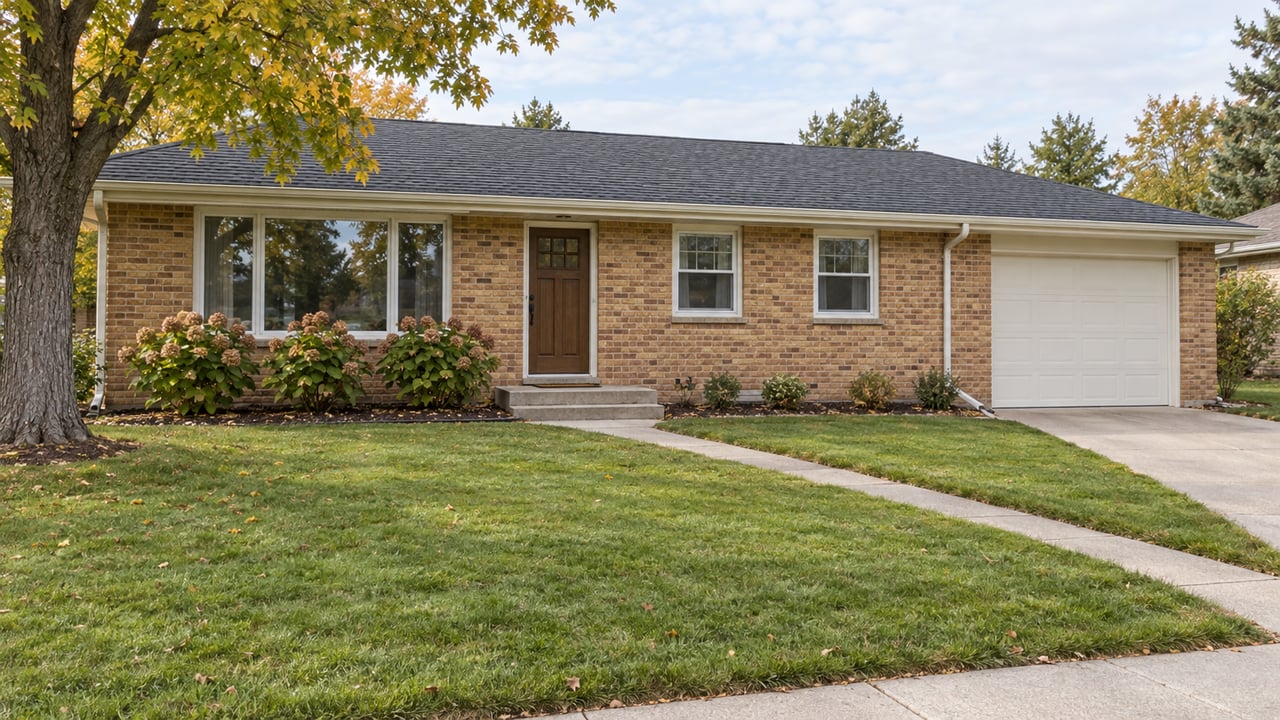
Naperville Community Unit School District 203 serves much of central and northern Naperville, including many downtown-adjacent areas. You will find established neighborhoods with a mix of historic, mid-century, and traditional single-family homes. Lots trend smaller near the core, with pockets of higher density close to downtown. Many addresses in District 203 are well positioned for the BNSF Metra station and central city amenities.
District 204 overview
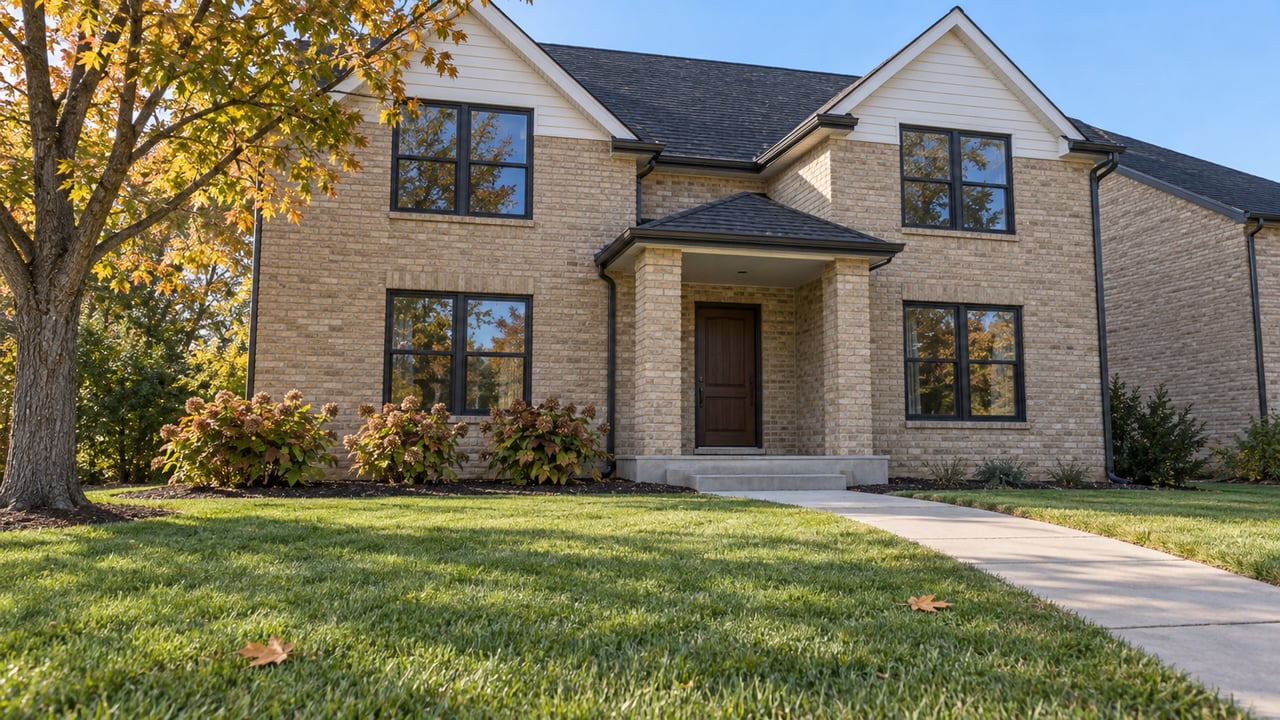
Indian Prairie School District 204 covers large areas of southeastern Naperville and extends into nearby communities. Housing often includes newer planned subdivisions built since the 1990s and 2000s, with modern layouts and, in many cases, larger lots. Commutes lean highway oriented with access to I-88, I-355, and Route 59. Some neighborhoods sit farther from downtown Naperville’s Metra station, though regional transit and adjacent community options exist.
Why boundaries vary
School district boundaries do not follow Naperville’s city limits. Naperville lies mainly in DuPage County with portions in Will County, and parcels can fall into different districts. Two homes on one block can be assigned to different schools. Districts also adjust attendance lines over time to balance enrollment or accommodate new construction.
How to verify assignment
Do not rely on a neighborhood name or a mailing address. Use county and municipal parcel lookup tools to confirm the school district for the exact property. Cross-check with the district’s official boundary maps and contact the district registrar to confirm current assignment, required residency documents, and any enrollment timing. Reconfirm school assignment at contract and again before closing.
Neighborhood fit and housing styles
District 203 housing patterns
You will see a wide range of home ages and styles, especially near downtown and older neighborhoods. Many buyers value walkability and short trips to restaurants, parks, and the Metra station. Homes may have smaller lots or require updates, which can be a fair trade for location and commute ease.
District 204 housing patterns
Newer subdivisions and planned communities are common, often with larger single-family homes and modern floor plans. Some neighborhoods include HOA amenities such as pools or community spaces. If you want newer construction or larger square footage at a given price point, these areas can offer options to compare.
Commute and transit
District 203 aligns closely with downtown Naperville and the BNSF Metra line, which can simplify Chicago-bound train commutes. District 204 areas often favor highway access for commutes to west-suburban employment centers or reverse commutes. If transit is critical, test-drive your route during peak times and compare train versus highway access from each neighborhood you tour.
Price, taxes, and value signals
Homes inside well-regarded school boundaries often see stronger demand, which can show up as price premiums and faster sales. Central Naperville neighborhoods may command premiums for walkability and rail access. Newer subdivisions can command premiums for size, layout, and neighborhood amenities. Property taxes vary by parcel and county, so verify the current effective tax rate and recent tax bills through county assessor and parcel records.
Compare schools like a pro
Use official report cards
Start with the Illinois State Board of Education School Report Card for each school serving the property. Review assessment results, growth, graduation rates, and college-readiness indicators. For high schools, note AP participation and course offerings. District websites list programs, enrollment policies, and boundary information.
Look beyond single ratings
Proficiency shows how many students meet state standards now, while growth tracks how much students improve year over year. A school with strong growth trends can be moving in a positive direction even if proficiency is moderate. Review multi-year trends rather than a single snapshot.
Programs and pathways
Check availability of AP, IB, honors, dual-credit, and career and technical education. Look at extracurriculars, arts, music, athletics, and STEM options that match your student’s interests. Review student–teacher ratios and counseling resources where available.
Facilities and future plans
Facility age, renovation status, and planned capital projects can affect the learning environment. District long-range plans and board communications provide updates on buildings, capacity, and potential boundary adjustments. Ask about enrollment projections for the school and its feeder pattern.
Buyer checklist for schools
- Verify the district for the exact parcel using county or city GIS and the district’s boundary lookup.
- Call the district registrar to confirm assignment, residency documentation, and enrollment timing.
- Pull ISBE report cards for the assigned elementary, middle, and high schools and save PDFs.
- Review district pages for programs you value, including AP/IB, dual enrollment, special education, gifted, or language options.
- Ask your agent to compare recent sales filtered by school boundary in the MLS for apples-to-apples pricing.
- Visit schools during tours or open houses and connect with parent groups to gather perspectives.
- Ask districts about short-term capacity, waitlists, or anticipated rezoning.
- Confirm the property’s current tax rate and recent bills through county records.
- Do trial commutes during peak hours to compare transit and highway options.
- If school assignment is essential, include a school-assignment confirmation contingency before closing.
Special situations to plan for
New construction and redistricting
Builders may market a subdivision by district reputation, but final lot assignments and future rezoning can change your student’s path. Verify the exact lot’s current and projected schools with the registrar and ask about planned boundary studies.
Buying near a boundary
If you are close to a district line, confirm school assignment directly with the district and document it. Ask about required residency timing, temporary housing rules, and how move-in dates affect enrollment. Recheck assignment before closing, especially if you are buying months ahead of the school year.
Feeder patterns over time
Understand the elementary to middle to high school progression for the property. If you have children at different ages, compare each step in the feeder path. Confirm programs that matter to your family are available at each level.
Next steps with a local guide
You deserve a home that fits your routines today and your plans for tomorrow. If you want a calm, data-guided process to compare District 203 and District 204, verify boundaries, and weigh commute and price trade-offs, you do not have to do it alone. Reach out to schedule a planning call, set up a tailored search, and map your timeline and school priorities with a local expert. Connect with Kathie Frerman to get started.
FAQs
How do Naperville school districts align with city limits?
- District boundaries do not follow Naperville’s city limits, and the city spans DuPage and Will counties, so school assignment depends on the specific parcel rather than the mailing address.
Which high schools serve District 203 and District 204 in Naperville?
- Commonly referenced high schools include Naperville Central and Naperville North in District 203, and Neuqua Valley and Metea Valley in District 204, depending on the property’s feeder path.
Do school districts change property taxes for a home in Naperville?
- Property taxes vary by parcel, county, and local levies; school funding is part of the tax bill, so verify the effective rate and recent bills for the exact property through county records.
How often do school boundaries change in Naperville?
- Districts may adjust boundaries in response to enrollment trends or new construction; check district communications and registrars for current maps and any active redistricting studies.
What if I buy in summer and need school enrollment quickly?
- Contact the district registrar early to confirm required residency documents and timelines, and consider a school-assignment contingency if enrollment is a critical factor in your purchase.
Are third-party school ratings enough to choose a home?
- Use third-party summaries as a starting point, then compare ISBE report cards, growth trends, program offerings, and school visits to build a fuller picture for your family’s needs.