Looking for a home in Batavia and wondering whether an older charmer or a newer build fits you best? You are not alone. In a city with roots going back to the 1830s and a housing mix that spans pre-1940 homes to recent construction, style often tells you a lot more than looks alone. It can hint at layout, upkeep, renovation needs, and how you may live in the home day to day. If you want a clearer way to compare your options in Batavia, this guide will help you sort through the city’s major home-style eras. Let’s dive in.
Why Batavia Offers So Much Variety
Batavia has a long architectural timeline, and that is part of what makes the local housing market feel distinctive. The city highlights its early settlement history and Downtown Historic District as key parts of its identity, including limestone construction and other early structures that reflect Batavia’s past as The Windmill City.
That history still shows up in the homes you see today. According to CMAP’s 2019 to 2023 snapshot, Batavia’s housing stock is led by detached single-family homes, which make up 68.2% of the market. The median year built is 1985, but the age spread is broad enough that buyers can realistically compare vintage homes, mid-century homes, and newer construction in the same city.
Here is part of what gives Batavia that range:
- 17.0% of housing was built before 1940
- 16.1% was built from 1940 to 1969
- 24.0% was built from 1970 to 1989
- 38.9% was built from 1990 to 2009
- 4.1% was built in 2010 or later
That mix means your home search in Batavia is often less about finding any available house style and more about deciding which era best matches your priorities.
Vintage Homes in Batavia
Older Batavia homes are often found closer to the historic core and in long-established areas of the city. Local history and neighborhood sources point to a mix that includes 1850s farmhouses, Italianate homes, Victorian and Queen Anne houses, Foursquares, bungalow-style cottages, and even Sears catalog homes from the early 20th century.
These homes tend to stand out because they feel tied to Batavia’s local story. The city’s preservation focus on the Downtown Historic District helps explain why many older homes can feel more individual and less uniform than homes in later suburban subdivisions.
What vintage homes often offer
Older homes can appeal to you if you value architectural detail and a more distinctive look. Depending on the property, you may find features like:
- More defined, separate rooms
- Original or era-specific exterior character
- Unique lot settings near older parts of town
- Details that reflect Batavia’s historic building traditions
For some buyers, that character is the whole point. A home with a layered history can feel very different from a newer floor plan, even if both homes offer similar square footage.
What to weigh with older homes
Style and age also affect maintenance. Older homes can often be improved over time, including energy-efficiency updates, but upgrades are usually best considered case by case so they work with the home rather than against it.
That matters if you love charm but want modern comfort. When you tour older Batavia homes, it helps to think beyond finishes and ask how comfortable you are with ongoing updates, repair planning, and preserving original features where possible.
Mid-Century and Established Homes
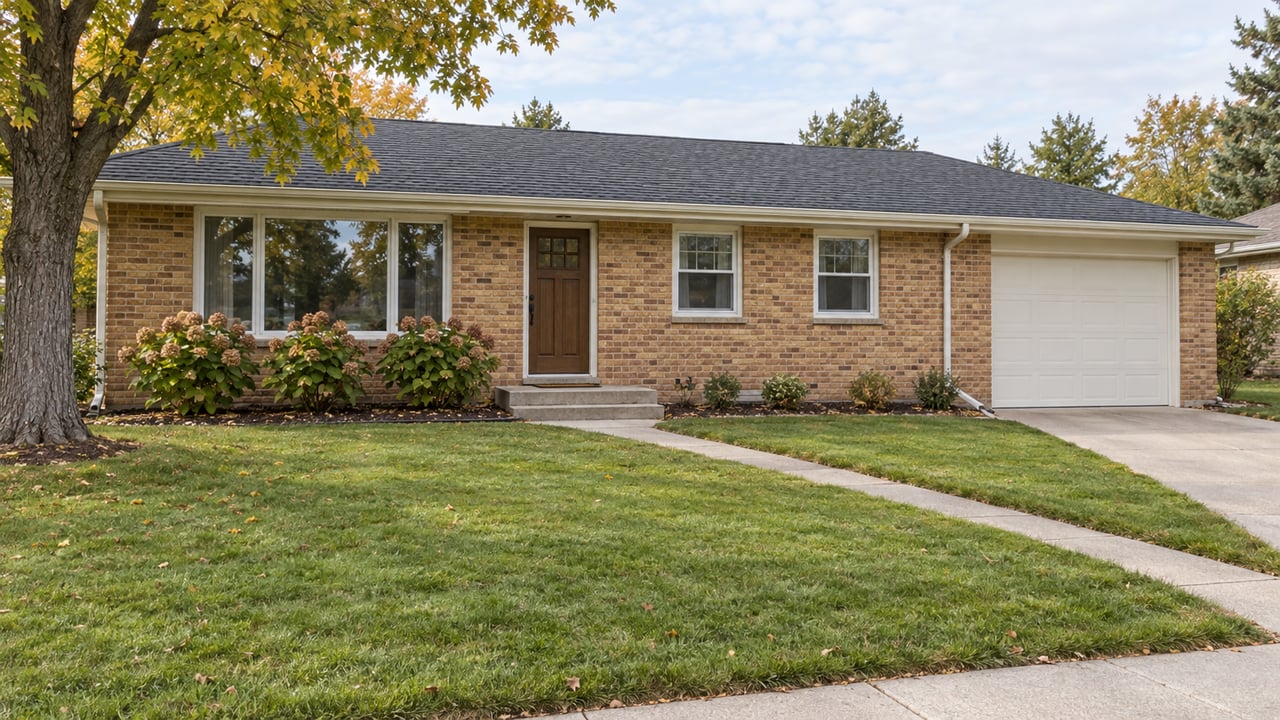
Batavia’s middle housing eras are a major part of the market too. Outside the downtown core, local neighborhood guides describe ranch homes, split-levels, and brick colonials with attached garages in established parts of the city.
These homes often strike a balance between character and practicality. They may not have the ornate architectural details of a Victorian or Queen Anne home, but they can offer a more straightforward layout and a style many buyers still find very appealing.
What mid-century homes often offer
If you want an established neighborhood feel with a more functional layout, this era may deserve a close look. Common advantages can include:
- Easier one-level or split-level living
- Attached garages more common than in older housing stock
- Practical room arrangements
- Established lots and mature surroundings
For buyers who want something more classic than new construction but less complex than a historic home, this category can be a strong fit.
How layout changes by era
In Batavia, home style is often shorthand for how a home lives. Older homes are more likely to have compartmentalized rooms and era-specific details, while ranches, split-levels, and later homes often prioritize easier circulation and more connected kitchen and family-room relationships.
CMAP data also show that Batavia has a substantial share of larger homes, including 34.4% with four bedrooms and a median of 6.9 rooms. That makes layout and room function especially important when you compare homes across different decades.
Newer Builds in Batavia
If your wish list includes more contemporary layouts, newer systems, or less immediate renovation work, Batavia also offers newer construction options. Nearly 43% of the city’s housing was built after 1990, which gives buyers a meaningful supply of later-era homes to consider.
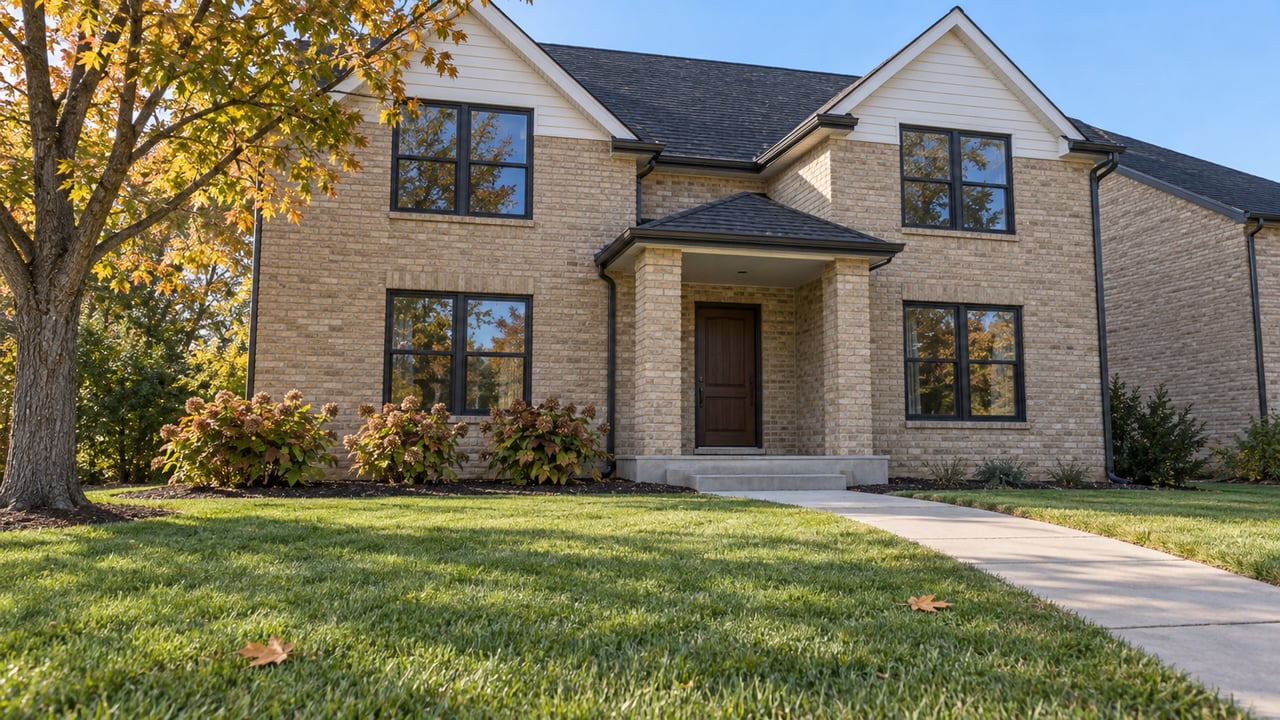
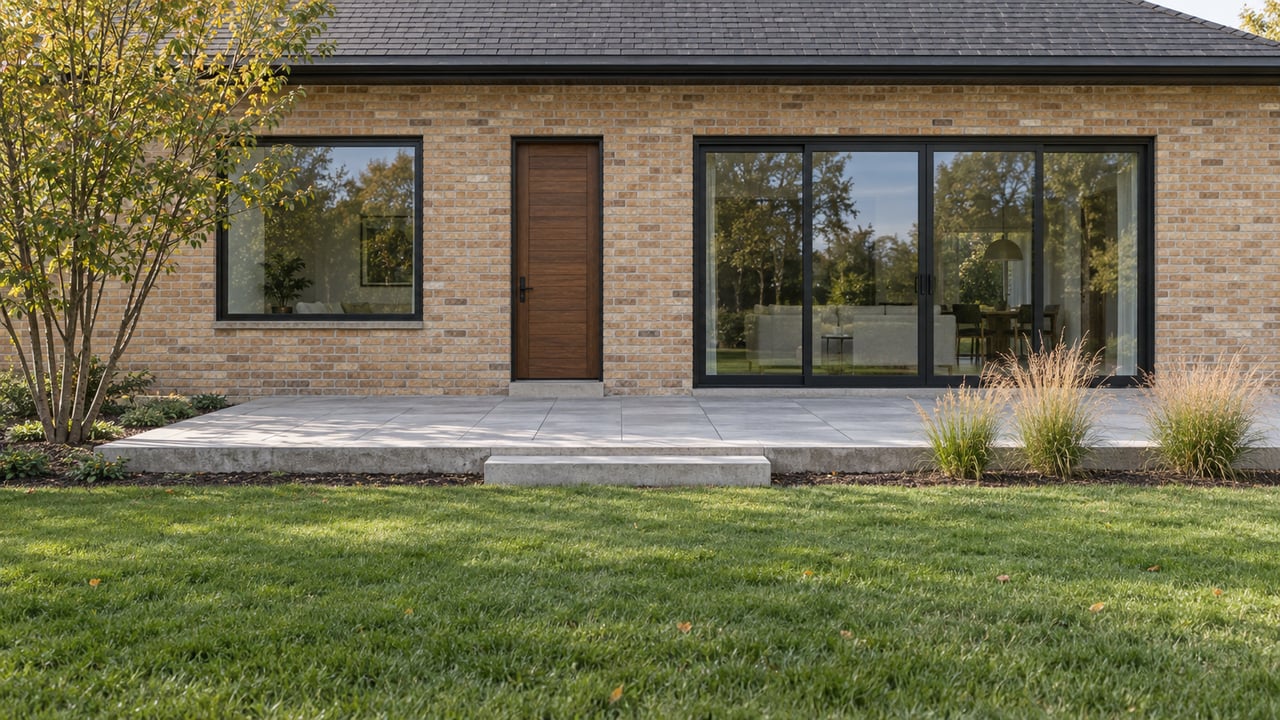
Newer housing in Batavia is found mainly in later subdivisions and infill areas. Current new-construction marketing in the community includes ranch and two-story homes, showing that buyers do have access to homes designed around more recent living patterns.
What newer homes often offer
Newer homes can be attractive if you want convenience and a more current layout from day one. Depending on the home, that may include:
- More open main living spaces
- Contemporary kitchen and family-room flow
- Attached garages and modern storage expectations
- Less immediate need for age-related updates
For busy buyers, relocating buyers, and anyone trying to simplify the move-in process, these features can be especially appealing.
Why new builds are not automatically better
It is easy to assume newer means better, but the right fit depends on your goals. A newer Batavia home may offer an easier starting point, while an older or mid-century home may offer more character, a different setting, or renovation potential that better matches your vision.
The key is to compare trade-offs clearly. Layout, lot, condition, and long-term upkeep all matter just as much as build date.
How to Compare Home Styles in Batavia
When buyers compare home styles, they often focus first on curb appeal. That is understandable, but in Batavia, style is most useful when it helps you narrow in on how you actually want to live.
A good question is not simply, “Which style is best?” A better question is, “Which era matches my layout needs, maintenance tolerance, and renovation appetite?”
Ask these questions as you tour
Use these questions to compare vintage, mid-century, and newer homes more clearly:
- Do you prefer separate rooms or a more open layout?
- How much ongoing maintenance feels realistic for you?
- Are you comfortable planning updates over time?
- Is architectural character a priority?
- Would you rather have a move-in-ready layout with fewer immediate projects?
- How important are garage setup, storage, and room flow?
These questions can quickly tell you whether you are drawn to a look or whether a style truly fits your daily life.
What Pricing Can and Cannot Tell You
Batavia’s housing mix is broad, so pricing needs context. QuickFacts reports a median value of owner-occupied housing units of $387,400, which offers a useful citywide baseline.
Still, no single style has a fixed price rule. In Batavia, age, condition, renovation level, lot setting, and neighborhood context all shape value, which means a restored pre-1940 home, a well-kept ranch, and a newer subdivision home may all appeal to different buyers even within a similar general price range.
That is why side-by-side comparison matters. The smartest approach is to evaluate each home on its own mix of style, updates, function, and location within the city.
Historic District Rules to Know
If you are considering an older home in Batavia, especially in the historic core, it is important to understand local preservation rules before you buy. Batavia has one official Historic District, the Downtown Historic District, which the city says was established in 2006. The city also has one locally designated landmark, the Campana Building.
For exterior changes to a property in the Historic District or to a local landmark, the city requires a Certificate of Appropriateness. Permit applications note that historic-district properties may need that approval before a building permit is issued.
Why this matters for buyers
This does not mean you should avoid historic homes. It simply means the decision process is different.
If you want a historic Batavia property, you should think not only about square footage and finishes, but also about preservation review and how future exterior work may be handled. If you prefer fewer layers of approval, a newer or non-historic home may feel more straightforward.
Batavia’s Historic Preservation Commission also surveys historic properties and provides guidance on rehabilitation questions. That tells you preservation in Batavia is an active local planning issue, not just a label.
Finding the Right Era for You
One of Batavia’s biggest strengths is that it gives you real choices across housing eras. You can look for a pre-1940 home with character, a practical mid-century layout, or a newer build with more current design and systems.
The best match depends on how you want to live, what level of maintenance feels comfortable, and whether you see yourself moving right in or taking on updates over time. With a market that is still largely made up of detached single-family homes and a wide spread of build dates, Batavia makes it possible to be selective about both style and function.
If you want help comparing Batavia home styles, narrowing your search, or weighing older homes against newer construction, Kathie Frerman can help you make a clear, confident plan.
FAQs
What types of homes are common in Batavia, Illinois?
- Batavia is dominated by detached single-family homes, which account for 68.2% of the housing stock, with options that range from pre-1940 character homes to newer subdivision homes.
What are the main older home styles in Batavia, Illinois?
- Older Batavia homes may include 1850s farmhouses, Italianate homes, Victorian and Queen Anne houses, Foursquares, bungalow-style cottages, and Sears catalog homes.
What do mid-century homes in Batavia, Illinois usually look like?
- Mid-century and established homes in Batavia often include ranches, split-levels, and brick colonials, typically with practical layouts and more common attached garages.
Are there newer construction homes in Batavia, Illinois?
- Yes. Nearly 43% of Batavia’s housing was built after 1990, and newer homes are generally found in later subdivisions and infill areas.
What should buyers know about Batavia Historic District rules?
- If a home is in Batavia’s Downtown Historic District or is a local landmark, exterior changes may require a Certificate of Appropriateness before a building permit is issued.
Does home style affect price in Batavia, Illinois?
- Yes, but style is only one factor. In Batavia, value also depends on condition, renovation level, lot setting, and neighborhood context.